

What is upper eyelid surgery?
Blepharoplasty surgery, or eyelid surgery, involves the removal of skin, muscle, and fat from the eyelids.
The two main areas where a blepharoplasty may assist are skin in the upper eyelids and fat accumulation in the lower eyelids. This tendency is usually inherited and is independent of the patient’s body weight.
Blepharoplasty may be able to improve vision by addressing aspects of the eyelids that can be causing functional concerns. For example, excess tissue on the upper eyelids may add weight and interfere with clear vision.
However, since the procedure addresses the tissue around the eyes, it is commonly performed for aesthetic purposes. It can reduce wrinkles or fine lines around the eyes, or puffiness underneath the eyes.
Each patient’s goals for the procedure can be unique, so discussing your expectations during a consultation will help Dr Rastogi to design your personalised procedure.
Gallery
The outcomes shown are only relevant for this patient and do not necessarily reflect the results other patients may experience, as results may vary due to many factors including the individual’s genetics, diet and exercise. Photos are taken 3 months post-op. All surgery contains risks; Read more here.
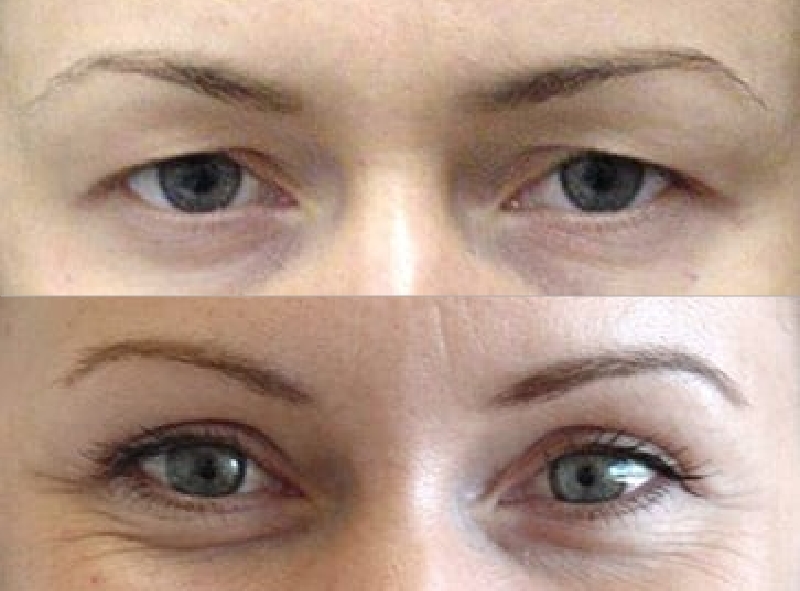
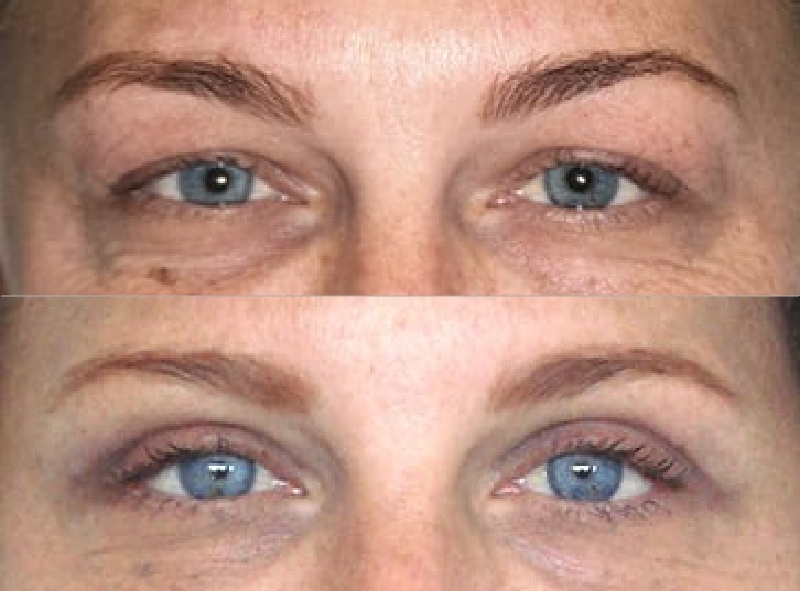
Suitable candidates for blepharoplasty
Making sure that you are a suitable candidate for upper eyelid surgery is an important part of your procedure process.
Blepharoplasty, whether it’s upper or lower eyelid surgery, can be suitable for those who want to address tissue around the eyelids and surrounding areas. Suitable candidates typically have excess skin on their upper or lower eyelids, which can sometimes interfere with clear vision.
Candidates should be in good overall health, at a stable weight and free from any underlying medical conditions that could increase the risks associated with surgery, or slow down the recovery process. You’ll need to discuss your health history and disclose details about any conditions you may have, or any medications you are regularly taking.
Suitable candidates will need to have realistic expectations about the procedure’s results and be able to follow pre-operative and post-operative instructions. Your preparation and recovery instructions can include stopping taking blood-thinning medications or supplements and/or quitting smoking. You’ll be able to discuss further details during your consultation, including how soon to start preparing before your procedure.
During a consultation, Dr Rastogi will assess your personal concerns, evaluate your eyelid anatomy, discuss your medical history, and consider any other factors that will need to be considered. You and Dr Rastogi will then be able to collaboratively decide if eyelid surgery is an appropriate choice.
Surgery consultations in Double Bay, Sydney
Dr Rastogi’s clinic offers two different consultations, and you will need both prior to your procedure.
You will start with an initial video consultation with Dr Rastogi, and this goes for about 20-30mins. This is booked on a Tuesday afternoon and the cost is $200, processed at the time of booking. This is a perfect opportunity to discuss your areas of concern and discuss suitability.
Following the video consultation will be an in room consultation with Dr Rastogi, and this goes for about 1–1.5 hours. This is booked on a Monday afternoon, or a Tuesday morning and the cost is $300, processed at the time of booking. We will go through the procedure in depth, discuss preparation, recovery, quote breakdown, risks and complications and surgical dates if you wish to have this information.
You will leave the consultation with a copy of all your notes and information so you can take your time making an informed decision.
The consultation fee covers your two consultations with Dr Rastogi and any additional consultations required to ensure all your questions are answered.
How blepharoplasty surgery is performed
During your consultation with Dr Rastogi, you will discuss how your eyelid surgery will be performed.
Eyelid surgery is typically performed as an outpatient procedure under local anaesthesia with sedation, or general anaesthesia, depending on the complexity of the procedure and the patient’s personal preference.
The specific technique used will depend on the features of your eyes, and your procedure goals. Generally, Dr Rastogi will make incisions along the natural creases of the eyelids, to minimise visible scarring.
For upper eyelid surgery, the incision is typically made in the natural fold of the eyelid. To perform surgery on the lower eyelids, incisions are usually made just below the lower lash line or on the inside of the lower eyelid (transconjunctival incision). The exact placement of your incisions will depend on the specific area of the eyelids you want to address, as your incision will need to allow Dr Rastogi to access the tissue that will be adjusted or removed.
Once the incisions are made, excess skin, muscle, and/or fat can be removed from the eyelids. Sometimes, fat may be repositioned or redistributed to address puffiness or hollowing. After tissue removal or repositioning is completed, the incisions are sutured closed, and you will be closely monitored in the recovery room.
Typically, the procedure takes one to three hours to complete. However, this timeframe can be shorter or longer, depending on the complexity of the surgery and each patient’s needs.
Costs of blepharoplasty in Double Bay, Sydney
The cost components of your procedure include the surgeon’s, anaesthetist’s, and hospital fees. External fees, such as the cost of the garment and any scar care products, will also need to be considered.
Firstly, Dr Rastogi will charge a fee to perform your procedure. Surgeon’s fees tend to differ from surgeon to surgeon, depending on their qualifications, experience, and professional recognition. Dr Rastogi has been performing this procedure for over 25 years; therefore, his fees will reflect this.
Remember that the cost of your eyelid surgery can also change depending on the time you spend in the theatre. You will need to discuss the details of your surgery costs during your consultation process, as, essentially, your costs will depend on the personalised details of your procedure.
For more detailed information on the costs of your eyelid surgery, you’ll need to book a consultation at our Double Bay clinic. Your initial consultation will be 20 to 30 minute video call, before an in-person consultation that will take around one to one-and-a-half hours.
Will Medicare cover blepharoplasty?
Medicare can only cover (or partially cover) procedures that are deemed medically necessary. If your blepharoplasty is being performed for purely cosmetic purposes (such as changing the appearance of your eyelids, for example, to reduce fine lines and wrinkles), then your procedure will not be eligible for Medicare cover.
If your eyelids are interfering with your vision, for example, if excess tissue on your upper eyelids is obstructing your vision, you may be eligible for a partial Medicare rebate. You’ll need to prove that your procedure is medically necessary and meet the requirements. If your procedure is medically necessary, you’ll need to apply for a Medicare rebate.
During your consultation, you can discuss the process of applying for a rebate. Please note that Medicare cannot cover the full costs of your procedure, so there will be a gap fee involved.
Risks and complications
It is important to note that all procedures, whether they are medical, cosmetic, or non-surgical procedures, are not risk-free. If you plan to have your surgery, you should discuss two key factors during your consultation:
- Preparing for your surgery and how you can try to decrease your risks.
- Preparing for your recovery, and how that affects your results and risk factors.
- You will also discuss whether you are a suitable candidate for the procedure in terms of your health and personal expectations. Assessing your health will be a crucial step in preventing complications from occurring during or after the procedure.
Below is a list of potential risks associated with blepharoplasty. Dr Rastogi will go through these risks thoroughly with you during your consultation.
- Infection
- Bleeding
- Asymmetry
- Lid lag
- Retrobulbar haematoma blindness
You will discuss how these risks and complications may be prevented or minimised, and how you can take steps during recovery to help your body’s natural healing process along.
Recovery
After your surgical procedure, the recovery phase is crucial when it comes to supporting your body’s healing and preventing complications.
Dr Rastogi will provide you with detailed instructions during your consultation regarding post-operative care requirements.
You will also receive a comprehensive recovery timeline, outlining what you can expect throughout various stages of your recovery period. You will also be provided with contact information for Dr Rastogi and the nurses who will support you during the weeks following your surgery. Our dedicated team will always be on call should you require assistance after hours.
Once the procedure is completed, your support person will pick you up from the hospital and stay with you overnight. This ensures you have assistance and care during the initial recovery period.
Your first post-operative appointment, referred to as the post-op one appointment, will be scheduled three-to-four days after the surgery. The appointment is usually scheduled on a Monday morning. It will take place at our Double Bay, Sydney clinic, allowing Dr Rastogi and our nurses to assess your progress and address any concerns or questions you may have.
Additional post-operative appointments will be booked on that day. These follow-up visits are essential for monitoring your recovery and ensuring everything is progressing as expected. It can also provide an opportunity to spot any possible complications early and treat them as soon as possible to prevent any further complications.
While you may gradually resume some activities during the first two weeks following the surgery, please remember that a full recovery from this procedure typically takes approximately six to eight weeks. The initial healing period may be shorter, but it can take longer for swelling to fully subside.
Blepharoplasty scar management
Depending on the specific area of the eyes that you want to address, Dr Rastogi can aim to place incisions in easy-concealed areas to perform blepharoplasty. These areas can include areas along the eyelid crease, below the lower lash line, or on the inside of the eyelid.
However, incisions placed along the natural folds or within the eyelid creases will still need to be properly cared for to help minimise the visibility of scarring once they have healed.
Following steps to prevent infection (such as keeping the eye area clean), avoiding excessive sun exposure, and applying certain scar-management creams or gels can help. If you’re concerned about potential scarring, you can discuss scar management techniques during your consultation and where your incisions will be placed so that you will know what to expect.
Overall, following the recovery timeline and guidelines provided by Dr. Rastogi will be highly important when it comes to supporting a sufficient healing process. Your instructions will help incisions heal, minimise scarring, prevent complications, and prevent the need for revision surgery or additional treatments.
Why choose Dr Rastogi for blepharoplasty surgery in Sydney?
To achieve results that align with your expectations, suit your individual features and involve minimal scarring, it’s highly important to choose an experienced and qualified surgeon.
During your consultation with Dr Rastogi, he will work to understand your personal reasons for wanting to undergo the procedure and what your expectations are for your results. Together, you can agree on a procedure plan that suits your needs and expectations.
Frequently asked questions
Which surgery should I choose, a blepharoplasty or a brow lift?
A blepharoplasty specifically targets the skin on the upper (or sometimes lower) eyelids, while a brow lift can extend further up towards the forehead, addressing excess skin around the brows. A brow lift may address drooping brows, fine lines and wrinkles around the brows, and more. Sometimes, eyelid surgery can be combined with a brow lift, if a combined approach will suit the patient’s needs and expectations. The right procedure choice for you will depend on the specific areas of the eyes (or brows) that you want to focus on. You will be able to discuss this with Dr Rastogi during your consultation.
What is the difference between upper and lower eyelid surgery?
Upper eyelid surgery focuses on the tissue above the eyes, such as excess tissue that may cause a drooping upper eyelid. Lower eyelid surgery focuses on the tissue beneath the eyes, such as puffiness under the eyes or fine lines and wrinkles. Details of the procedure can vary, such as incision placement, procedure time and the complexity of the procedure steps. The two procedures, upper and lower eyelid surgery, can sometimes be combined for a comprehensive approach. To help you decide which option will be the most appropriate choice for you, or if a combined approach may be the most suitable, you can discuss the areas of your eyes that you want to address during your consultation with Dr Rastogi.
Who is not a good candidate for upper blepharoplasty?
Factors that can make a candidate unsuitable for eyelid surgery include certain health conditions that can cause complications, unrealistic expectations and an inability to undergo a surgical procedure due to other personal reasons. Candidates who are pregnant or breastfeeding will also need to avoid the procedure. Smokers may be instructed to quit before surgery to be considered a suitable candidate, and you may receive other preparation instructions that can help you become a good candidate for surgery. During a consultation, Dr Rastogi will need to thoroughly assess your suitability for the procedure, discuss health factors and assess the condition of your eyelids.
Are results from eyelid surgery permanent?
Surgical eyelid procedures will achieve permanent results, but factors such as the natural ageing process may alter results in the future. While we can initially achieve a permanent change, factors such as how well you care for the skin around your eyelids after surgery can sometimes influence the longevity of your results. You can discuss aftercare and steps you can take in the longer term to support your results during your consultation.
Will I have scarring after the procedure?
All surgical procedures can be associated with some level of scarring, due to the requirement of incision placement. Dr Rastogi will aim to minimise the visibility of scarring with careful and discreet incision placement. Following your recovery instructions carefully can also help to minimise scarring. You will be able to discuss the details of your incision placement before undergoing your procedure, which can help you understand what to expect.
How long does eyelid surgery take to perform?
The procedure can take up to one to three hours, but this will depend on the complexity of your procedure steps. You can discuss how long your procedure may take while planning the details of your procedure during your consultation. Eyelid surgery is often performed as a day procedure and typically does not require an overnight stay, but sometimes, patients are required to stay overnight to be monitored. Dr Rastogi will discuss what you can expect on the day of your blepharoplasty procedure ahead of time, so that you can make any necessary preparations.
How long will it take to recover after my procedure?
A full recovery from a blepharoplasty can take about six to eight weeks, depending on the complexity of your surgery. Initially, your recovery can include managing swelling, discomfort and caring for your incision sites as they heal, however swelling and bruising can take some time to fully subside. You will receive personalised advice on how much time to take off from work or other daily activities, and how long you can expect to follow other recovery instructions during the consultation process.
What is revision blepharoplasty, and who is a potential candidate?
Revision blepharoplasty can be performed after an initial eyelid surgery, to address any complications that occurred after the procedure or to adjust unsatisfactory results. Potential candidates can include those who have experienced a drooping eyelid after their procedure or may have had too much tissue removed. A revision procedure can address drooping eyelids or redistribute tissue in the case that too much tissue was removed. Just like with your first blepharoplasty, candidates will need to be in good general health, able to follow recovery instructions and have realistic expectations for revision surgery. Generally, patients will be advised to wait for at least six months after their blepharoplasty before undergoing a revision procedure.

