

As we age, the production of collagen, elastin, and proteins that provide structure and elasticity to the skin decreases.
Over time, the fat pads in our faces can shift downwards resulting in volume loss in the areas such as the cheeks and under the eyes, which create a hollower appearance.
Along with the above, gravity plays a part in the natural ageing process, pulling down the skin and underlying tissues, creating laxity in the jowls and neck.
Many patients may choose to address facial concerns with non-surgical treatments, but for a longer lasting outcome, patients may consider a facelift.
What are the two different types of facelifts?
There are two types of Facelifts that Dr Rastogi can perform on patients who are seeking facial improvement.
The first is called a SMAS facelifts (Superficial Musculoaponeurotic System), which combines the tightening of the underlying facial muscles with the overlying skin. This is generally a procedure offered to patients who are wanting to prolong their existing facial appearance or have it as a preventative treatment.
The second is called a Deep Plane facelift, which tightens the deeper layers of the facial tissues. Due to the extent of this procedure, patients are generally at an older age with more advanced stages of ageing.
Facelift Meloplasty BEFORE & AFTERS
Dr Rastogi performs his Facelift Meloplasty in Sydney, and many of his patients frequently travel to see him from all over the country and around the world.
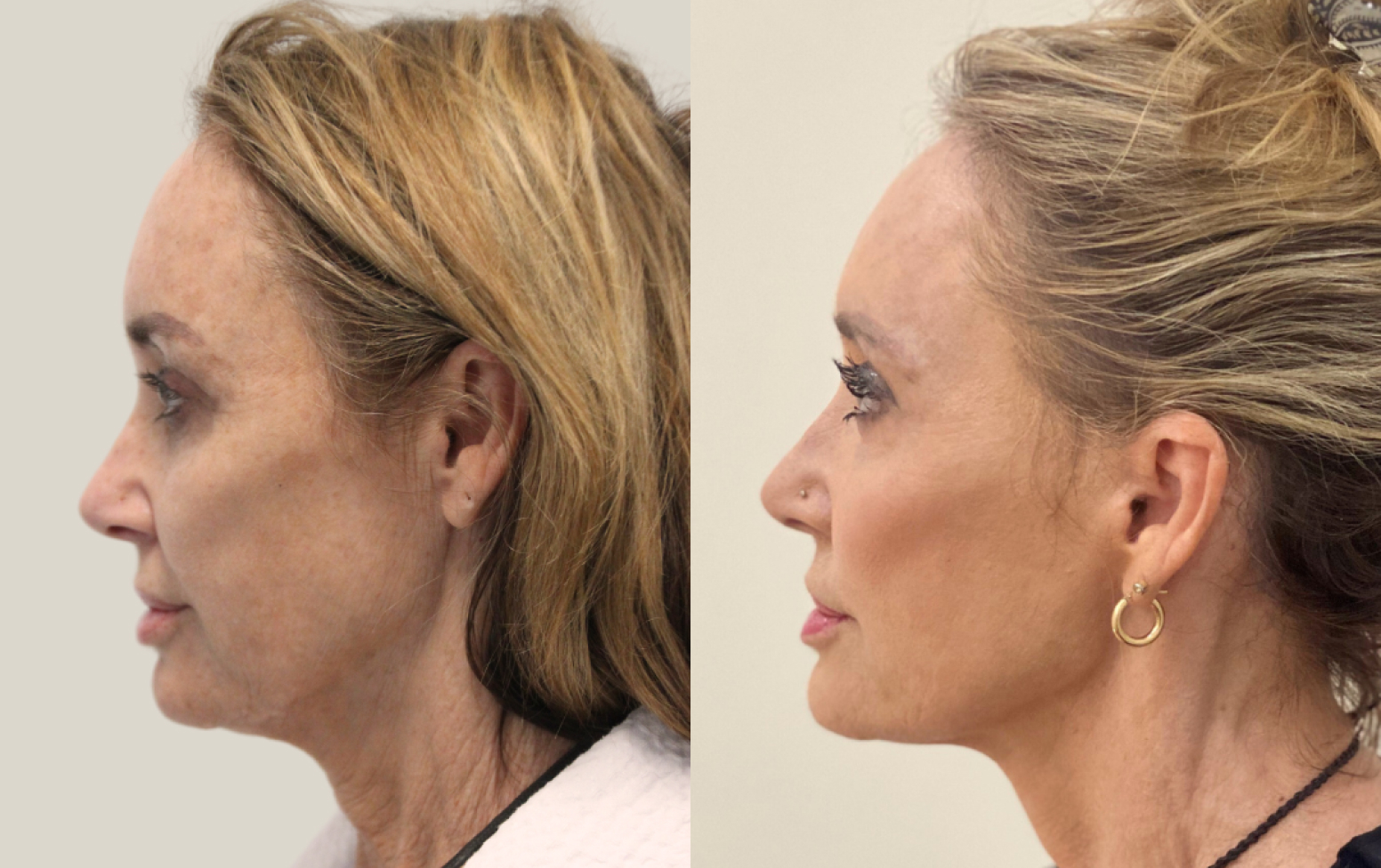
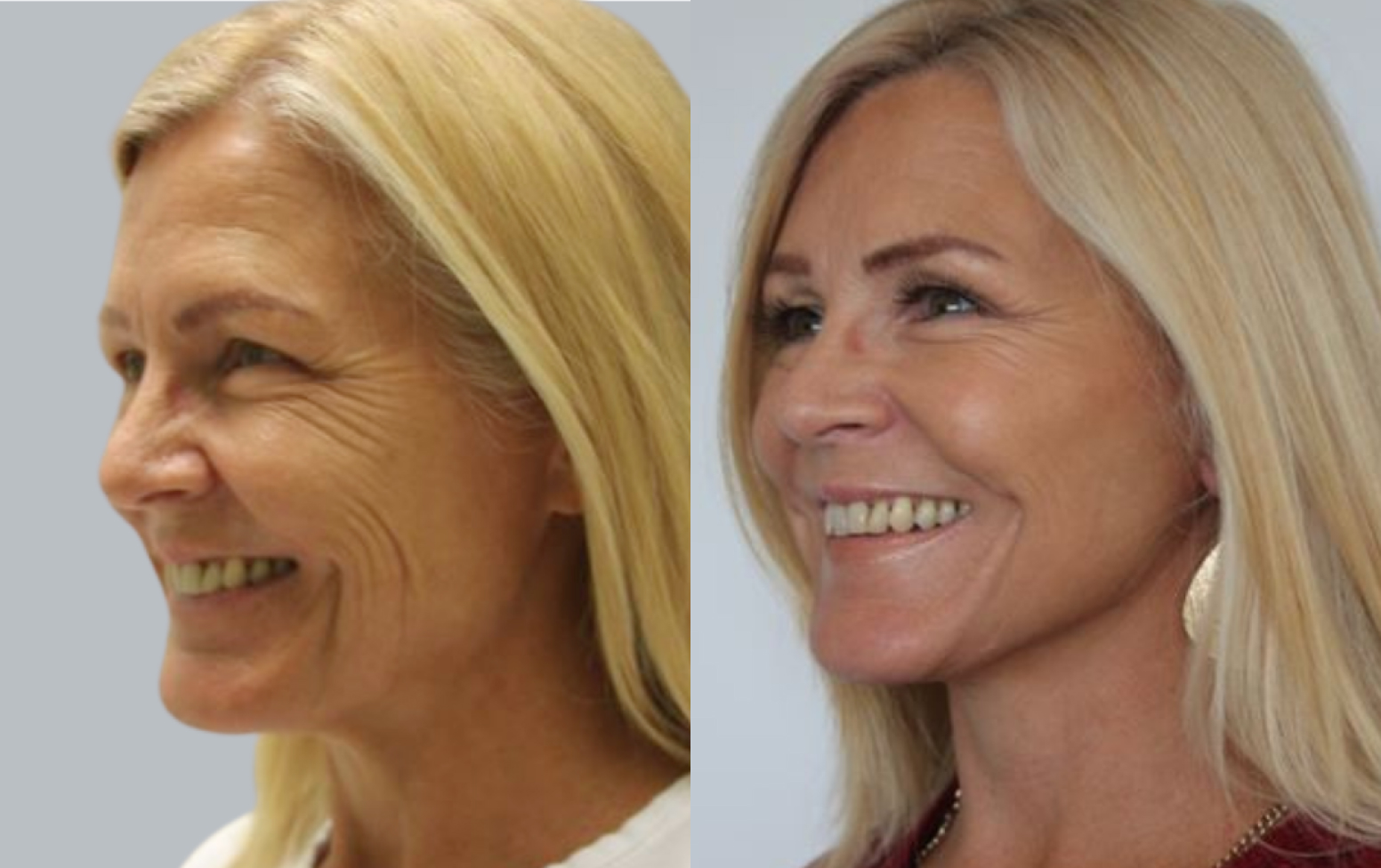
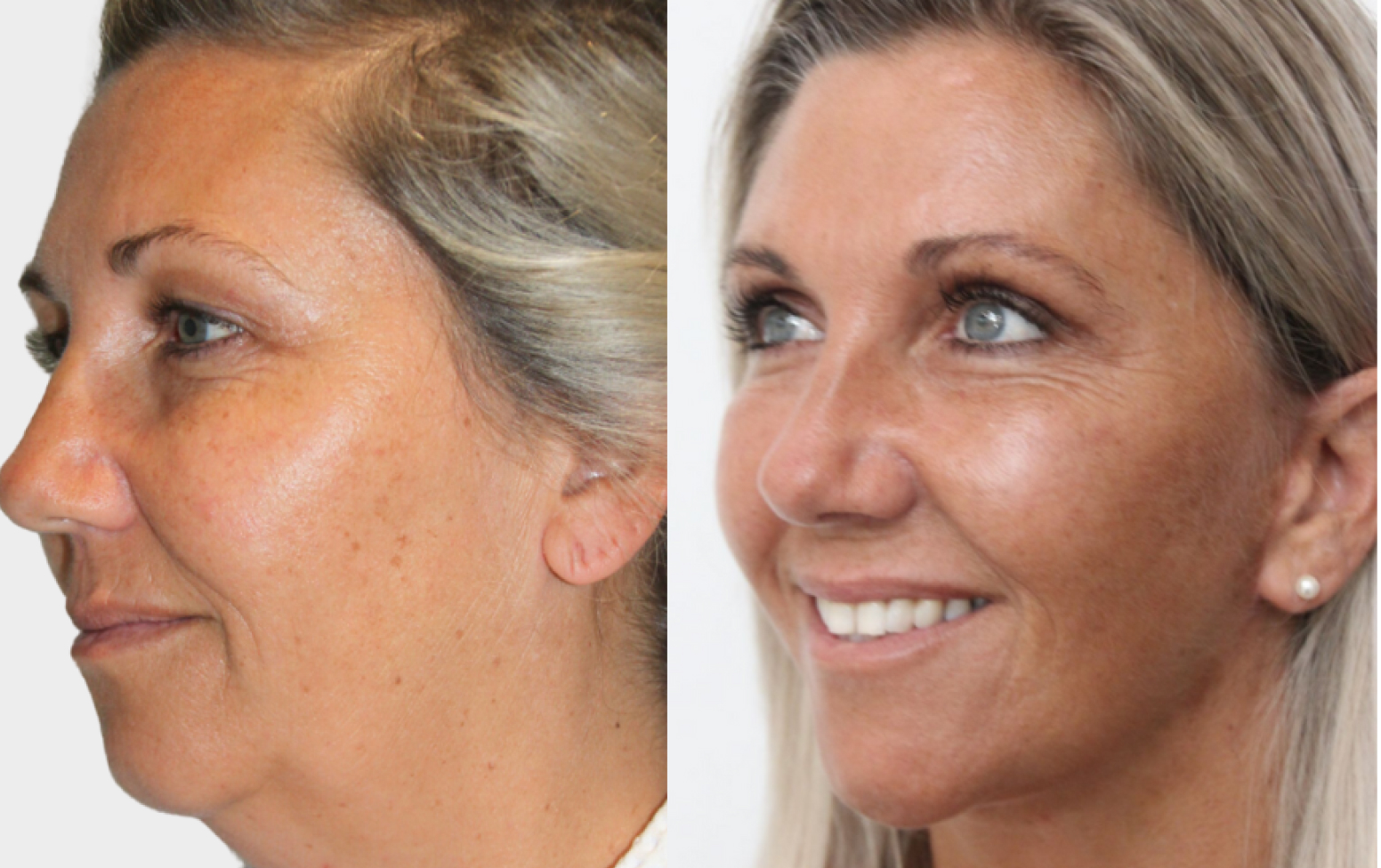
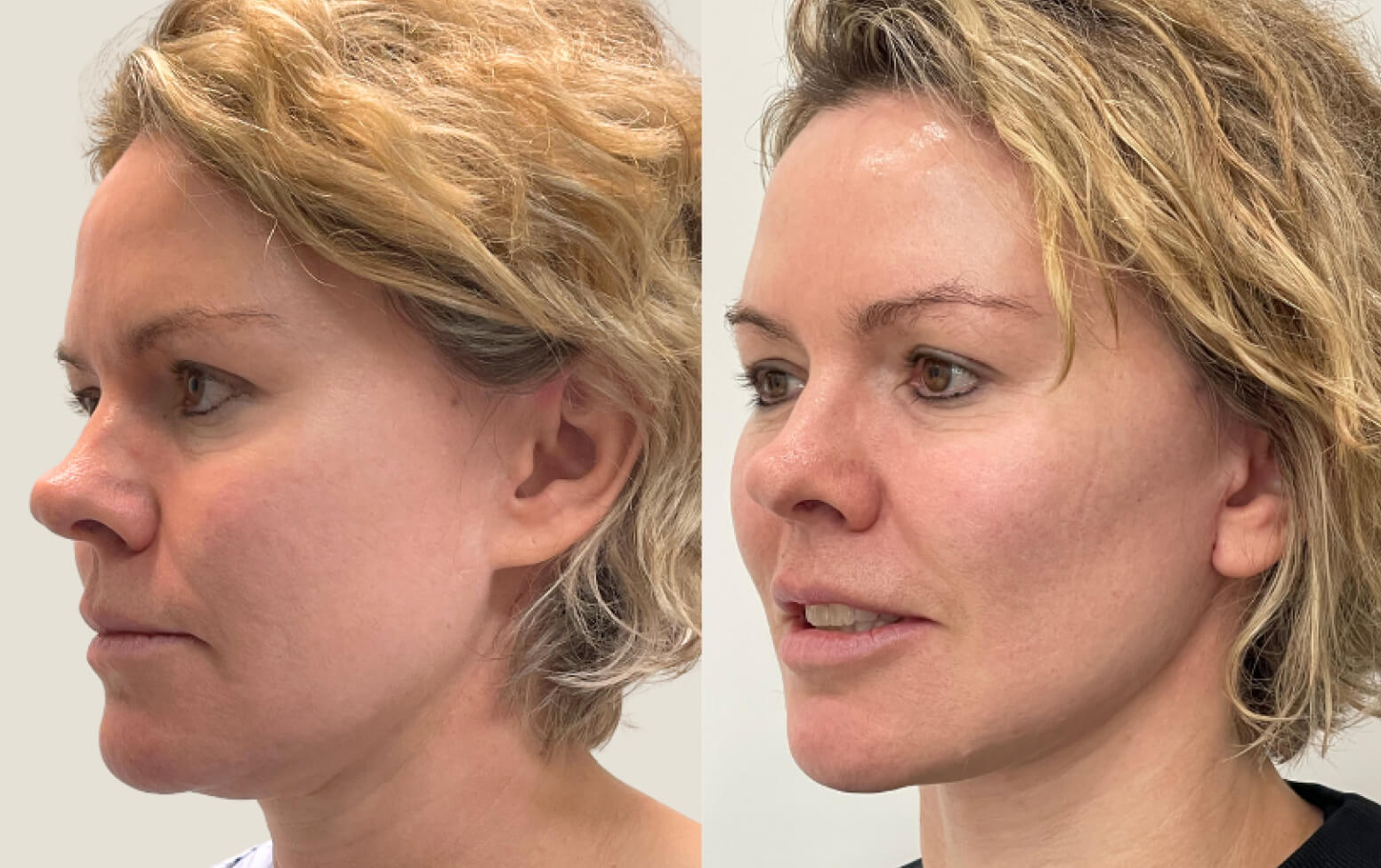
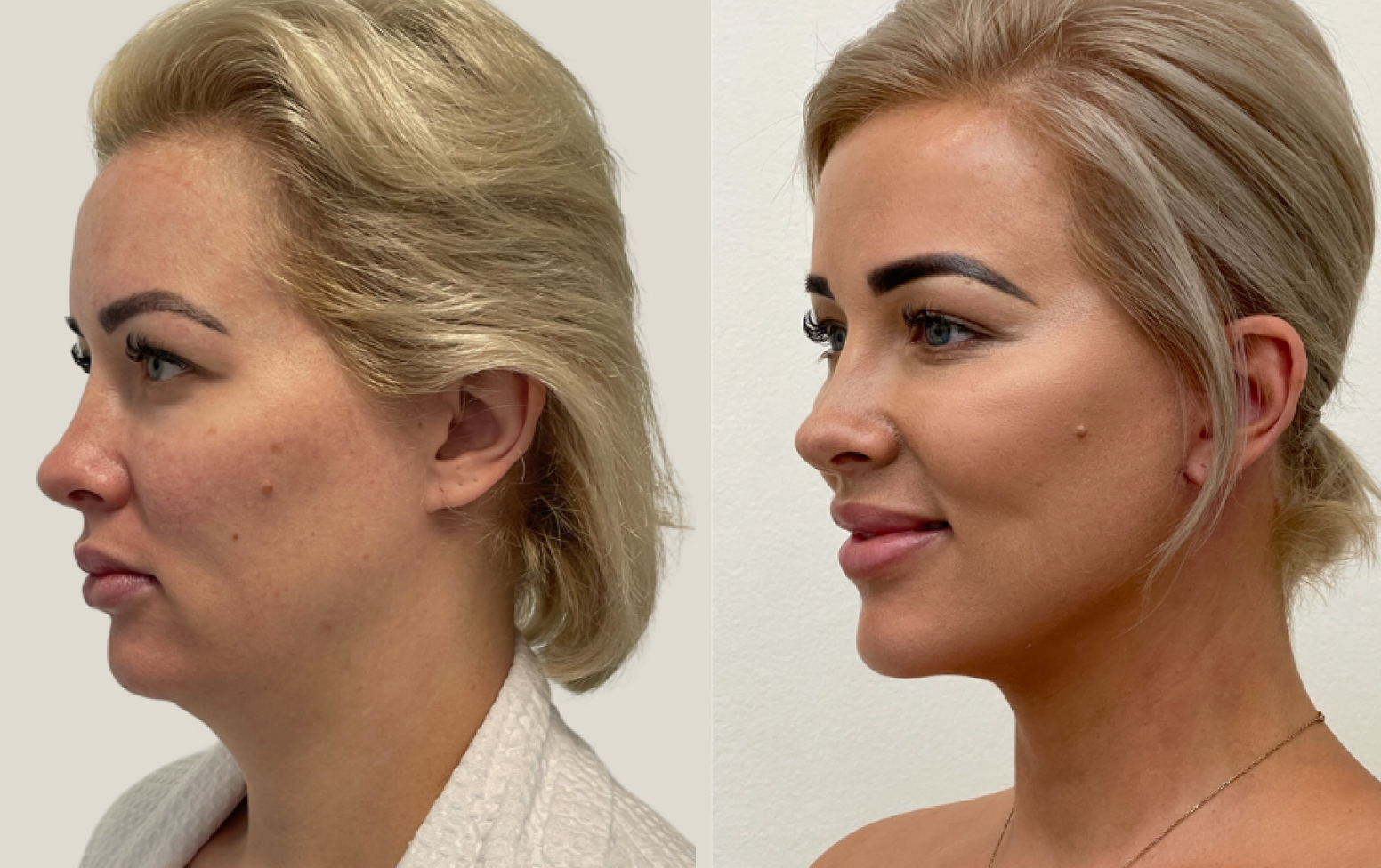
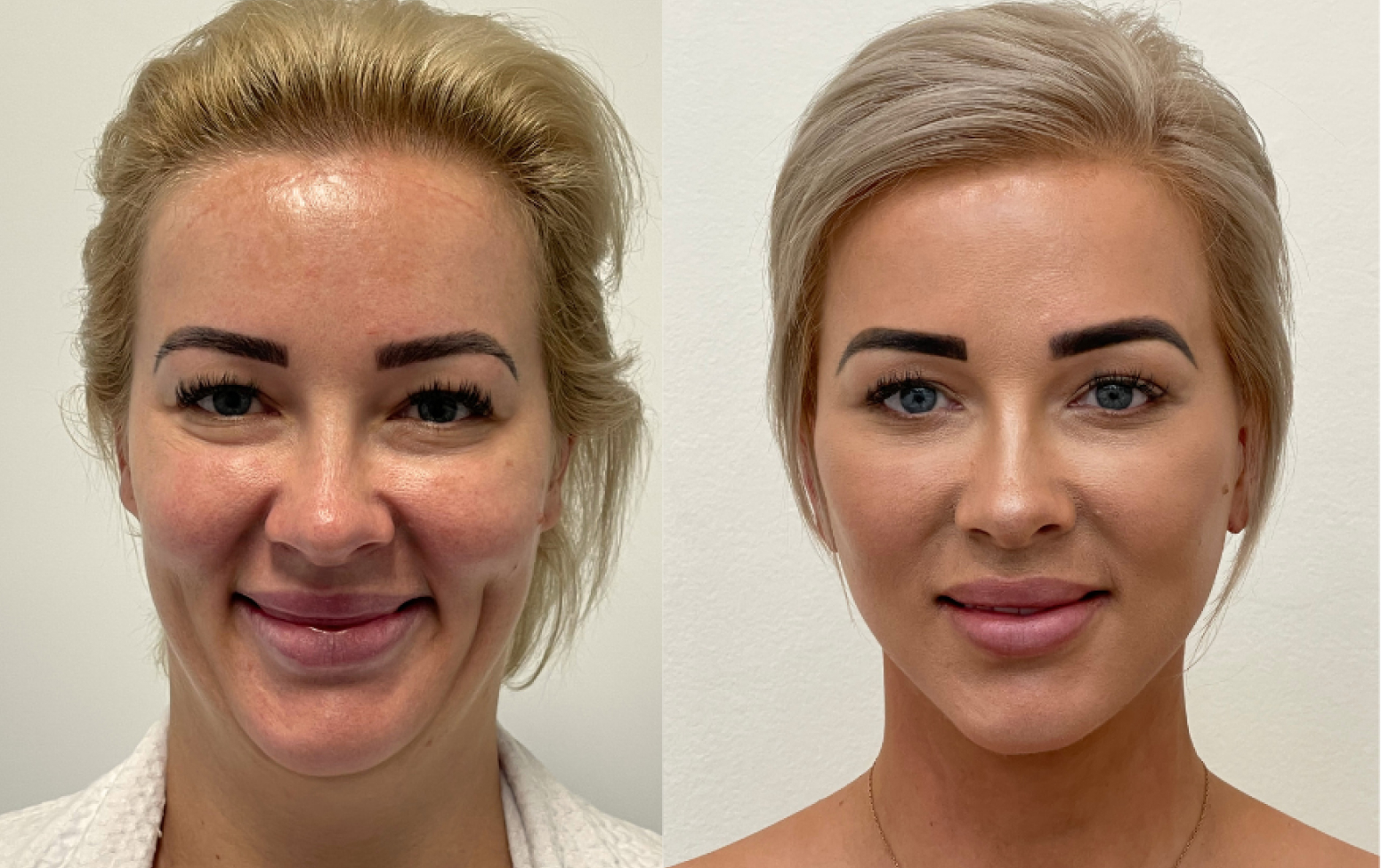
Disclaimer
*As with any medical procedure, individual results may vary from any description or image on this website. Any surgical or invasive procedure carries risks. Before proceeding, you should seek a second opinion from an appropriately qualified health practitioner.
Should I get a deep plane facelift or a SMAS facelift?
To understand what type of facelift would be beneficial to you, you may send through images for Dr Rastogi to review prior to booking a consultation. You can send these images to reception@rastogi.com.au.
Outcomes
- Removing excess skin around the jawline
- Moving the fat pads back into a higher position – filling out potential hollowness in the cheeks
- Removing fat and excess skin in the neck (necklift)
- Results are long lasting, however, this does not stop the natural ageing process, so you may see results lasting between 7-10 years
- Incisions are carefully placed where the face and hair merge and in front and back of the ear
Suitable candidates
If you want to address excess skin on the face and neck or concerns such as jowls, you may be a suitable facelift candidate.
To be considered as a suitable candidate, you will need to be in good overall health. A thorough evaluation of your suitability for the procedure will be conducted during your consultation. Contraindications to a facelift can include certain medical conditions, allergies and skin conditions.
It’s important that candidates have realistic expectations for the results of the procedure. During your consultation, you’ll discuss your reasons for undergoing the procedure and your expected results.
Suitable candidates should be willing to commit to post-operative and preparation instructions. Dr Rastogi will provide you with personalised instructions during your consultation, which can include to restrict activity levels, follow a healthy lifestyle and follow a skincare plan.
Ensuring your suitability for the procedure is important when it comes to minimising risks and preventing complications from occurring, both during and after the procedure.
Your facelift consultation
Dr Rastogi’s clinic offers two different consultations, and you will need both prior to your procedure.
You will start with an initial video consultation with Dr Rastogi, and this goes for about 20-30 mins. This is booked on a Tuesday afternoon and the cost is $200, processed at the time of booking.
This is a perfect opportunity to discuss your areas of facial concerns and discuss suitability.
Following the video consultation will be an in room consultation with Dr Rastogi, and this goes for about 1–1.5 hours. This is booked on a Monday afternoon, or a Tuesday morning and the cost is $300, processed at the time of booking. We will go through the procedure in depth, discuss preparation, recovery, quote breakdown, risks and complications and surgical dates if you wish to have this information.
You will leave the consultation with a copy of all your notes and information so you can take your time making an informed decision.
The consultation fee covers your two consultations with Dr Rastogi and any additional consultations required to ensure all your questions are answered.
Surgery preparation instructions
Before a facelift, it is essential to maintain good overall health. Dr Rastogi will provide personalised preparation instructions based on your needs and the procedure details.
You may be instructed to quit smoking and limit alcohol consumption for a set period of time before your procedure to promote optimal healing. You will need to discuss any medications or supplements you are currently taking during your consultation, as certain substances may need to be temporarily discontinued before the procedure. This includes blood-thinning medications and herbal supplements that can affect blood clotting.
In the weeks leading up to your facelift, you should follow a well-balanced diet and stay hydrated to support your body’s healing ability. If you like, you can prepare your home for the post-operative recovery, creating a comfortable space to recuperate. You can stock up on necessary supplies, such as prescribed medications, ice packs, and other necessary items. We recommend organising someone to pick you up after your procedure and support you during the earlier days of your recovery.
If you would like a preparation and recovery guide, please email reception@rastogi.com.au.
The day of your facelift procedure
Before your procedure, you’ll discuss the details of your personalised procedure plan during a consultation. Dr Rastogi will tailor the steps of the procedure to your needs and decide on the most appropriate techniques to use.
The procedure is performed in hospital. The hospitals are Waratah Private Hospital in Hurstville and Double Bay Day Hospital in Double Bay.
If you require an overnight stay, you may wish to choose having your surgery at Waratah Private Hospital.
You will need someone to collect you after your surgery and stay with you overnight. If you do not have a support person, or you’re travelling by yourself, our lovely team can assist with options for you, so you are looked after following surgery,
When you have presented to the hospital, the admission team will be on the front desk and ask you to fill out paperwork. The hospital fee will be processed at this time.
Soon after, you will be escorted to the preparation area, where you will speak with our amazing anaesthetist, speak with Dr Rastogi and nursing staff to ensure you are comfortable and excited.
At the beginning of the surgery, patients are administered general anaesthesia. Incisions are then made, usually at the points where the face and hair meet. The placement and length of these incisions will be discussed during the consultation process, as they are where patients can expect their scars to be.
Once the incisions are made, the skin is carefully lifted and the underlying tissues may be repositioned or tightened. Depending on the patient’s needs, fat may be redistributed or removed. Dr Rastogi performs SMAS facelifts (Superficial Musculoaponeurotic System), combining the tightening of the underlying facial muscles with the overlying skin. Excess skin may be removed before the incisions are carefully sutured closed. Patients will be monitored in the hospital immediately after the procedure.
Once the procedure has been completed, you will stay in recovery until you wake up from the general anaesthetic. Dr Rastogi will come and see you when you wake up and check in with you.
You will be wearing a facial garment for only 48 hours, which can be removed after this time frame. This is to reduce swelling as much as possible.
When you are ready to be discharged, the hospital will contact your support person to collect you.
The evening of your procedure, you may feel lightheaded from the general anaesthetic, which is why you need a support person when you get home. We ask that you sip on water to stay hydrated prior to going to bed. We highly recommend having a few pillows under your head when sleeping so that your head is elevated, and above your heart.
A soft diet is also recommended for the first 24 hours.
Recovery and post-operative appointments
After a facelift, Dr Rastogi will provide you with personalised instructions to help you support your body’s healing process. You will also be able to discuss your recovery timeline and details of when to return to work, resume an exercise routine and resume other activities.
You’ll have a thorough consultation before your procedure so that you can prepare for your recovery. You may need to organise prescriptions, arrange for support during recovery and purchase items that you will need.
Following your procedure, you will need to organise for someone to pick you up from the hospital and support you during the earlier days of recovery. Activity can be limited, so having someone to assist you with certain tasks, such as household chores, is important.
Our team will be on call after hours if you need support during your recovery.
General recovery instructions
To manage swelling and bruising after your procedure, you can apply cold compresses as directed by Dr Rastogi. While getting plenty of rest, you should avoid bending over, lifting heavy objects, and engaging in activities that may strain the facial muscles. If possible, you should sleep with your head elevated, using an extra pillow to help reduce swelling. This is especially important during the initial days after surgery. It is important that when you can, commence light walking the day after surgery and the days following to keep the blood flowing through your body. This is to minimise the risk of DVT (deep vein thrombosis).
You should protect your face from direct sunlight throughout your recovery. We recommend applying an SPF 50+ sunscreen to prevent sun damage to healing skin. Drinking enough water and maintaining a nutritious diet will also help support your body’s healing process. You will need to refrain from smoking and limit alcohol intake during the recovery period, as these can impede the healing process. Dr Rastogi can specify the period of time that you will need to avoid these substances.
You will receive instructions on how to care for your incisions, including keeping them clean to avoid complications such as infection. You’ll receive advice on when you can shower after surgery and when you can resume washing your hair, as the incisions are typically placed where the face and hair merge. However, the placement of your incisions will be discussed during your consultation. You may also be instructed to apply a topical cream on your incisions to help prevent noticeable scarring.
If you notice any concerning symptoms during your recovery, such as excessive pain, persistent swelling, or signs of infection, you will need to contact the clinic for further advice.
Recovery timeline
Recovery is different for each patient; however, a full recovery is between 6-7 weeks.
During the first 6 weeks you can commence certain activities, such as returning to work, exercise, swimming, and flying.
During the first week you will have some initial swelling, which is normal for any surgery. The swelling normally subsides by day 4.
You will feel some initial tightness, and again, this subsides by day 4. Bruising is generally minimal, but like the above timelines, every patient is different, and recovery depends on the patient’s health, lifestyle and genetics.
When picking a date for surgery, you will need to account for any travel, holidays, or commitments to events so that recovery is your priority.
International travel is normally ok after 4 weeks and domestic is ok after 4-7 days.
During your consultation, we will give you a recovery timeline, so you are well prepared. If you would like a copy of our post operative guide, please email reception@rastogi.com.au.
Post-operative appointments
You will need to return the clinic for post-operative appointments to monitor the progress of your healing.
Your first appointment will be about three to four days after surgery. You will be able to discuss your progress with Dr Rastogi and our nurses and ask any questions. During your first appointment, we will organise your remaining follow-up appointments.
One of your following appointments will be the Monday after the first post operative appointment, and this is to remove your sutures.
Facelift costs with Dr Rastogi in Sydney or Double Bay
Your procedure costs can be discussed during your consultation with Dr Rastogi in Sydney or Double Bay.
The quote given at your in room consultation covers the surgical fee, 4.5 hours of theatre time in hospital, anaesthetist fee, and post op appointments.
There are a few payment options that our team can discuss with you at any time. These payment options include: all major credit cards and multiple payment plans.
Quotes are influenced by individually varying factors, such as the total procedure time and the complexity of the procedure. However, our team are always happy to give an estimated cost over the phone or via email.
Risks and complications
All procedures come with some form of risk, which should be discussed in detail during the consultation process. With Dr Rastogi, you can discuss what you can do to minimise risks while preparing for your procedure and what steps to take during recovery to reduce risks afterwards.
Some risks are minor and may not require medical attention, such as initial swelling, while others can be more serious and will require medical intervention should they occur. When discussing the risks that are associated with the procedure, you can discuss what symptoms to look out for that could indicate a complication has occurred.
Our team is available to contact after hours should you have any questions or concerns.
The risks and complications of a facelift can include:
- Swelling
- Pain
- Infection
- Bleeding
- Irregularities
- Asymmetry
- Loss of sensation
- Hair loss
- Nerve injury causing numbness / lopsided face
- Neuralgia
- Parotid Duct Injury
- Hematoma (A collection of blood outside of blood vessels)
- Scarring
- Skin necrosis
- Skin discolouration (such as hyperpigmentation or hypopigmentation)
- Allergic reactions to medications, anaesthesia, or materials used during the surgery
- Seroma (fluid accumulation)
- Delayed healing
- General anaesthesia risks
Frequently Asked Questions
How long do facelift results last?
Many patients see results that last 7-10 years (sometimes more), though individual outcomes vary, and no surgery halts the natural ageing process altogether.
How long your result holds depends on your skin quality, sun exposure, lifestyle, and the surgical technique used. A deeper lift, such as SMAS or deep plane, targets the support layers beneath the skin rather than the skin alone, which is one reason some patients prefer it, though results vary with each person. After surgery, keeping your weight steady, protecting yourself from the sun, and caring for your skin will all help your facelift age gracefully alongside you.
Am I a suitable candidate?
A facelift suits people in reasonably good general health who are unhappy with visible facial ageing that creams and injectables can no longer correct.
Common concerns include jowls, a softened jawline, loose skin around the lower face and neck, and deeper folds running from the nose to the mouth. Good candidates are usually at a steady weight, understand what a facelift can and cannot do for them, and are either non-smokers or prepared to stop well in advance of the operation. Some medications, health conditions, and skin issues can rule out surgery for now or require more careful planning. A face-to-face consultation with Dr Rastogi is the best way to know where you stand.
What is the difference between an SMAS and a deep plane technique?
Both methods work below the skin surface, with the main difference being how deeply they penetrate.
An SMAS facelift involves lifting and reshaping the SMAS layer (a thin band of fibrous tissue sitting just under the skin), with the deeper retaining ligaments left in place. With a deep plane facelift, Dr Rastogi releases those ligaments so the cheek and midface tissues can be repositioned as a single block rather than being tugged against fixed points. This added freedom can help with the cheek and the lines running from nose to mouth, and it is often considered when sagging is more pronounced, though outcomes vary between individuals. Which approach suits you best depends on your anatomy and what you want to achieve, and that decision is made together at the consultation.
Can a facelift be combined with other procedures?
Yes. It is common for a facelift to be done alongside other facial procedures during the same operation.
Because the face ages as a whole, addressing several areas at once frequently makes sense. A neck lift is the most common procedure, treating platysmal bands and loose skin under the chin. Upper or lower eyelid surgery (blepharoplasty) is another frequent pairing, as is a brow lift for the upper third of the face, and fat transfer is sometimes used to restore lost volume in areas such as the cheeks. In some cases, combining procedures in a single session can mean a single anaesthetic and recovery period rather than separate trips to theatre, though suitability depends on individual factors. Your final plan is decided together at the consultation.
Does a facelift address the neck?
Only partly: a facelift mainly addresses the lower two-thirds of the face rather than the neck itself. However, Dr Rastogi’s facelift costs include a necklift if this is required.
A standard facelift focuses on the cheeks, jowls, and jawline, and the upper neck can sometimes be tidied at the same time. However, more significant laxity lower down, visible platysmal bands, or other unwanted appearances are usually treated by a dedicated neck lift. Many patients have both procedures together because the face and neck age in tandem and look most natural when treated as a unit. Whether you need a neck component is something Dr Rastogi will work out with you at the consultation. If a neck lift is required, it is included in the cost of your facelift.
Where are the incisions placed, and will the scars be visible?
Incisions are placed along the natural lines of the face and hairline so that the final scars are discreet.
They typically start at the temple, run in front of the ear along its curve, and continue behind the ear into the hairline at the back. If the neck is being treated, a small extra incision is often tucked into the crease under the chin. Over the first few months, these lines fade to thin, pale marks in areas people do not normally look at, and most patients find them unnoticeable in everyday life, particularly when hair is worn down. How well a scar settles also depends on your own skin and healing, as well as the care you give the area in the weeks after surgery.
How long does recovery take, and what should I expect?
Plan for around two weeks of quiet time. The bulk of the swelling tends to settle within 3-4 weeks, and your face will continue to settle over the months that follow. Recovery varies between individuals.
The early days are the most active period of healing. Expect swelling, bruising and a tight or stiff sensation across the face and neck. After about 1 week, most people feel ready to ease back into desk work and quiet social occasions, even if a little bruising or puffiness is still settling. Vigorous exercise and lifting anything heavy are best avoided for four to six weeks; by the end of that period, the obvious swelling has usually gone down, and the deeper tissues keep refining quietly over the months that follow.
Does Medicare or private health insurance cover facelift surgery in Australia?
No. Cosmetic facelift surgery in Australia is fully private, with no contribution from Medicare or private health insurance.
Cosmetic facelifts are elective, so neither Medicare nor the private funds list an item number for them. If there is a reconstructive reason for the operation, say after an accident or to correct a medical problem, part of the fee can sometimes be rebated, but this rarely applies to a routine cosmetic case. Dr Rastogi will give you a clear written quote at the consultation that breaks the cost down line by line: the surgeon’s fee, anaesthetic, hospital or day-surgery fee, and post-operative visits.
Is a facelift performed under general anaesthesia, and is an overnight hospital stay required?
Yes. A facelift is performed under general anaesthetic, and you have the option to stay in hospital overnight, although most patients prefer to recover at home.
Surgery takes place in an accredited private hospital, which is the safest setting for a procedure at this depth and allows the anaesthetic team to manage your comfort and observations while Dr Rastogi focuses on the surgery. Operating time is typically 4.5 hours, longer if additional procedures are added. You have the option to stay in the hospital overnight, although most patients prefer to heal in the comfort of their own home. You will need a support person to drive you home and stay with you for the first 24 to 48 hours.
What are the main risks and complications of facelift surgery?
Like any surgery, a facelift carries some risks, ranging from routine side effects to less common but more serious complications.
Expected side effects, such as bruising, swelling, numb patches around the ears, and general discomfort, usually resolve on their own as you heal. Less common, more serious issues can include haematoma (where blood pools under the skin and may need to be drained), infection, delayed wound healing, scars that thicken or stretch, and slight differences between the two sides. Some patients experience temporary weakness of a facial expression muscle as the nerves recover. While permanent nerve injury is rare, Dr Rastogi will discuss it openly before you decide. A detailed discussion of the risks specific to your anatomy and health is a core part of any pre-operative consultation.
How is a facelift different from non-surgical facial rejuvenation options?
Non-surgical treatments and surgical facelifts address facial ageing in different ways. For example, non-surgical options primarily address the skin and volume, while a facelift repositions the deeper facial tissues.
Wrinkle treatments, facial volume treatments, thread lifts, and energy-based devices such as radiofrequency or ultrasound tightening each have their own role in early to moderate ageing, and many patients use them as part of a longer-term plan. These options generally work on the skin surface and on volume, whereas surgical techniques such as SMAS or deep plane facelifts reposition deeper facial tissues. Each approach addresses different concerns, and the one that is most suitable depends on your anatomy, your goals, and your treating practitioner’s recommendations after assessment. For many patients, the right answer lies somewhere in the middle, and a consultation is the simplest way to decide whether surgery, a non-surgical plan, or a combination over time is best.
What is the best age for a facelift?
There is no single best age for a facelift; what matters is the degree of ageing, your skin quality, and your overall health, not a number on a birthday card.
In Australia, patients are commonly midlife, although suitable candidates can range from people in their late 30s or early 40s through to fit, healthy patients in their 70s. For younger patients, surgery is often about quieter changes, such as early jowling, a softening jawline, or the first signs of midface dropping, and the operation itself can be smaller. Once laxity is more obvious, a deeper technique such as a deep plane facelift often makes more sense, and procedures like a neck lift or eyelid surgery may come into consideration. What you want from the result, your willingness to go through recovery, and your general health all weigh in too. A personal assessment with Dr Rastogi is the way to determine whether surgery, another option, or simply waiting suits you at this stage of life.
How do I prepare for a facelift in Australia?
Preparation has two sides in Australia: meeting the regulatory requirements and getting yourself ready in practical terms.
Since 1 July 2023, the rules in Australia require a written GP or specialist referral before you can book a consultation for any cosmetic operation. The Medical Board then asks for two consultations with the operating doctor (one in person) and a mandatory seven-day cooling-off period after the consent form is signed, all of which give you time to weigh things up without feeling rushed. Practically, you will be asked to stop smoking comfortably ahead of the date, since nicotine narrows blood vessels in the skin and is one of the biggest contributors to poor wound healing. A few medications and supplements known to encourage bleeding or bruising (aspirin, anti-inflammatories, fish oil and some herbal remedies, among them) may need to be paused; always run any changes past Dr Rastogi rather than stopping things yourself. In the lead-up, a balanced diet, good hydration, sun protection and a gentle skincare routine all help your skin arrive in better condition. It also pays to plan recovery early: most people set aside about one to two weeks away from work, organise a driver home and someone to stay the first night, and create a comfortable space at home with extra pillows for sleeping slightly upright. At the consultation, you will be given written instructions covering fasting, medication, what to bring on the day, and what to expect afterwards, with plenty of time to raise any last questions before the date.

