

Mini Abdominoplasty (Mini Tummy Tuck) Sydney
A minor or mini abdominoplasty is a smaller and generally less invasive alternative than a full abdominoplasty. In this procedure, the loose skin and excess fat are removed from the lower abdomen, and the underlying muscles are tightened.
Typically, a very low incision will be made at the pubic hairline on much the same level as a caesarean scar (but about 5cm longer). The skin is tightened, and excess skin is removed from a smile-shaped flap. The resulting scar usually lies within the bikini line, and the belly button is not interfered with.
The detailed steps of the procedure will depend on each patient’s surgical needs and will need to be determined during a consultation with Dr Rastogi at our Double Bay, Sydney, location.
What is the difference between a full abdominoplasty and a mini abdominoplasty?
A full abdominoplasty:
- Removes excess skin and fat from the entire abdomen.
- Repairs loose muscles in all areas of the abdomen.
A minor abdominoplasty:
- Removes excess skin and fat from the lower abdomen.
- Tightens lower abdominal muscles.
- Generally leaves less obvious scarring.
- Generally requires far less recovery time.
Reasons why patients might consider mini abdominoplasty
A mini abdominoplasty removes unwanted pockets of fat that do not respond to diet, exercise, and healthy lifestyle. The procedure can be sufficient for those requiring excess skin and fat removal and muscle tightening on the lower abdomen only. When only focusing on the lower abdomen, scarring can be less obvious, and recovery time can be less extensive than after a full abdominoplasty.
The outcomes will correspond to the unique circumstances and treatment plan of the patient, which you can discuss in your consultation with Dr Rastogi.
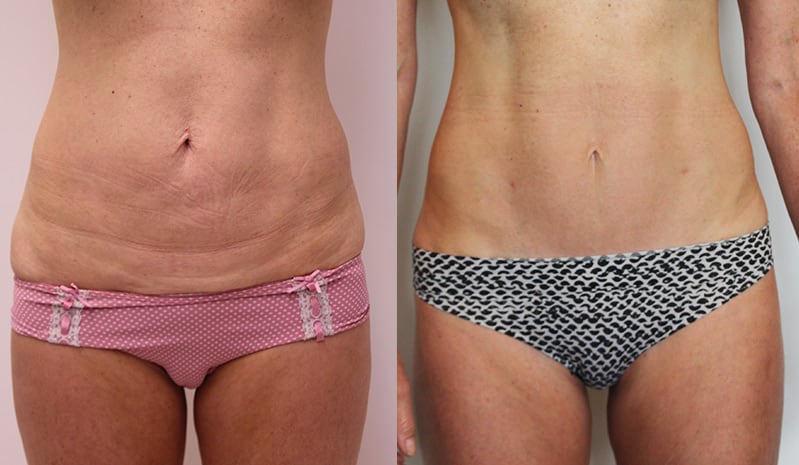
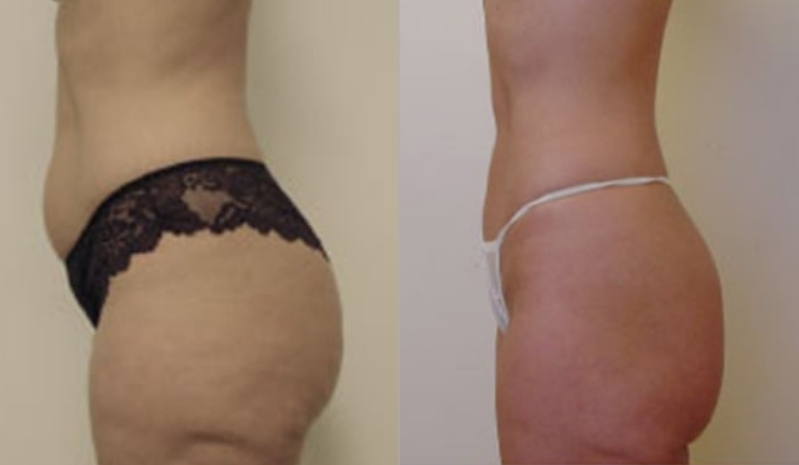
Gallery
The outcomes shown are only relevant for this patient and do not necessarily reflect the results other patients may experience, as results may vary due to many factors including the individual’s genetics, diet and exercise. Photos are taken 3 months post-op. All surgery contains risks; Read more here.
Your consultations
Meeting with Dr Rastogi, your consultations will be important to discuss your motivations for surgery and your personal expectations. The consultation process will help to determine if you are suitable for the procedure, the detailed steps of your procedure and other personal information that will be useful ahead of time.
Your first consultation is typically a 20 to 30-minute video call, such as via FaceTime, before an in-person consultation for one to one-and-a-half hours.
During your consultation, you will discuss the results you want to achieve, and any important health and lifestyle factors that need to be considered before planning your surgery. You will also be able to discuss the costs of your procedure and receive preparation and recovery information specific to your personalised surgery.
Your consultations are obligation-free, meaning that you can decide if you want to go through with the procedure after discussing the essential details and determining your suitability.
The mini abdominoplasty procedure
A mini abdominoplasty will be performed under general anaesthesia. You will discuss your personalised procedure plan during a consultation before your surgery.
To perform the surgery, a smaller incision is made, typically just above the pubic area and shorter than the incision used in a full abdominoplasty. The length and shape of the incision may vary based on the individual’s anatomy and the specific concerns being addressed. The details of your incision size and placement will be explained during your consultation.
Excess skin and fat are removed from the lower abdominal area. The extent of tissue removal is generally less than in a full abdominoplasty, but the amount that will be removed will be determined during your consultation. If necessary, Dr Rastogi may then tighten the underlying abdominal muscles. In some cases, the navel (belly button) may also be repositioned. The details of your personalised procedure will be discussed during your consultation, as all surgery steps will depend on your individual needs.
Once the skin, fat and underlying muscles have been addressed, the incisions are sutured closed. Surgical drains may be placed to prevent fluid accumulation during the early stages of healing. You will be advised on when the drains can be removed.
After the surgery, you’ll be taken to a recovery area, where you’ll be closely monitored. Patients typically complete their recovery at home, following personalised recovery instructions.
Recovery after a mini abdominoplasty
After a mini abdominoplasty, you will have your own recovery instructions to follow, provided by Dr Rastogi. You can also discuss what to expect during your recovery, such as a recovery timeline that includes when you can expect post-surgery symptoms like swelling and bruising to subside.
Should you have any questions or concerns while recovering at home, you’ll receive contact information for Dr Rastogi and our nurses. You will be able to contact our team after hours should you need assistance.
Straight after your procedure, you won’t be able to drive, so it is important to organise for a support person to pick you up from the hospital. It can also be helpful to arrange for someone to stay with you at home for the earlier days of your recovery, so that you have assistance with household tasks.
Your recovery instructions will include keeping incision sites clean to avoid infection and getting plenty of rest while avoiding strenuous exercise. Gradually, you can typically resume your normal daily activities during the first two weeks of recovery, but strenuous exercise may need to be avoided for up to four to six weeks. You may need to wear a compression garment to help the swelling subside and encourage the skin to tighten in the area. Your doctor will advise you on how often and how long to wear the compression garment.
To manage discomfort, you may be prescribed pain medication. You may also be advised to gently apply ice packs to the lower abdomen, which can also help to reduce swelling. Quitting smoking will be essential during recovery, as smoking can impact the body’s natural healing process. Maintaining a healthy lifestyle by following a balanced diet and staying hydrated can also help your body heal sufficiently.
To minimise scarring, you should avoid excessive sun exposure on the incision site. If the incision site will be exposed to the sun, it’s important to wear sunscreen with a high SPF to protect the skin in the area.
You will need to attend post-operative appointments to monitor the progress of your healing. Your first appointment is typically scheduled three-to-four days after surgery on a Monday morning. On the day of your first appointment, any necessary additional appointments can be scheduled. During your appointment, you will be able to ask any questions or discuss any concerns you may have with Dr Rastogi or our nurses.
The speed of your recovery will depend on factors such as the steps of your surgery and individual healing ability. Generally, patients can return to their normal daily routine in six weeks. Final results can be seen once the swelling has fully subsided, which can take a few months to a year.
Mini abdominoplasty costs in Double Bay, Sydney
As with most other cosmetic procedures, a mini abdominoplasty has a multi-faceted cost structure. The cost components of your procedure include doctor’s fees, anaesthetist’s fees, and hospital fees.
There will also be external fees to consider, such as the costs of a compression garment and any scar care products. You may also require a lymphatic drainage massage after the procedure to support recovery. During a consultation, all of your fees can be outlined in a personalised quote. Your quote will include fees that will be required during recovery, such as scar care and medications.
Doctor’s fees tend to differ from doctor to doctor, depending on their qualifications, experience, and professional recognition. Dr Rastogi has been performing this procedure for over 25 years, therefore his fees will reflect this. It’s essential to choose a highly experienced doctor to perform your mini abdominoplasty.
Keep in mind that the cost of your surgery can also change depending on the amount of time you are in the operating theatre. Your total procedure time may be estimated during your consultation so that you can know what to expect ahead of time. The amount of time spent in the operating theatre can vary from patient to patient, depending on factors such as the complexity of the procedure.
For an accurate, personalised quote, contact our team to book your consultation with Dr Rastogi.
Risks and complications
During your consultation, you will discuss the risks and complications of a mini abdominoplasty to help you make an informed decision as to whether or not you are comfortable with undergoing the procedure. It will also be important to assess your individual risk, discussing any past or current health conditions that can impact your suitability for surgery. You will be provided with preparation and recovery advice to help you minimise risks.
The potential risks and complications can include:
- Infection
- Swelling
- Bruising
- Pain and/or discomfort
- Hematoma (May require surgical drainage)
- Poor scarring
- Seroma (Collection of fluid that requires drainage and/or more surgery)
- Changes in skin pigmentation, such as hyperpigmentation or hypopigmentation
- Over-tightening of the abdominal muscles
- Wound breakdown (Prolonged healing)
- Necrotising fasciitis
- Numbness
- Temporary or permanent changes in sensation
- Changes in navel appearance
- Anaesthesia complications
- Asymmetrical results
- The requirement for revision surgery
Some of these risks, such as swelling and bruising, are temporary and tend to resolve independently during recovery. Aspects of your recovery instructions, such as wearing a compression garment, will also help to reduce swelling sufficiently. Other complications can require medical attention, such as infection or seroma. In a consultation, you will discuss the symptoms to be aware of throughout your recovery. Monitoring the condition of your incision site and general health will be important. You will also have contact information for Dr Rastogi and our nurses should you need assistance or have any concerns after your surgery.
Post-operative appointments will be required to monitor the progress of your healing. Your first post-operative appointment is typically made three-to-four days after your surgery.
Frequently Asked Questions
How does a partial abdominoplasty differ from a full abdominoplasty?
A partial abdominoplasty treats only the lower abdomen through a shorter incision and leaves the belly button in place. In contrast, a full abdominoplasty treats the entire abdomen and almost always involves repositioning the navel and a more extensive muscle repair.
In a partial abdominoplasty, excess skin and a small amount of fat are removed below the navel through an incision that usually sits within the bikini line. A full abdominoplasty requires a longer hip-to-hip incision, more extensive muscle tightening, and a longer operating time, while the partial abdominoplasty typically produces a smaller scar and a more manageable recovery. The right choice depends on the location and amount of loose skin, the degree of muscle laxity, and the amount of fat present, all of which are evaluated during a consultation with Dr Rastogi.
When are the results of the abdominoplasty procedure visible?
Most patients see early changes within 2 to 3 weeks, and the near-final result usually appears between 3 and 6 months after surgery, with the scar continuing to mature for up to 12 months.
You’ll usually start to notice a flatter lower tummy in the first few weeks, once the worst of the swelling and bruising has eased. From there, the contour continues to refine over the next few months as deeper swelling settles and the tissues relax. How quickly each person heals isn’t fixed; it depends on things like how much work was done, your age, skin quality, and whether you stick closely to the aftercare advice.
Is a partial abdominoplasty covered by Medicare in Australia?
No, a partial abdominoplasty performed solely for cosmetic reasons is not covered by Medicare in Australia, although a partial rebate may apply if strict medical criteria are met.
A Medicare rebate (such as item 30175) is only available where specific conditions are documented, for example, rectus diastasis of three centimetres or more after pregnancy, confirmed by imaging and accompanied by functional symptoms that have not improved with non-surgical treatment. A GP referral is required before a specialist can assess eligibility, and even where a rebate applies, a substantial out-of-pocket gap usually remains. Patients should discuss their personal circumstances during a consultation to clarify whether any Medicare item or private health insurance rebate may apply.
Who is a suitable candidate for an abdominoplasty procedure?
Good candidates tend to have a modest amount of loose skin and a stubborn pocket of fat below the belly button, without significant muscle separation higher up. They’re at or close to a stable weight, are in generally good health, and don’t smoke.
A reasonable skin tone in the upper abdomen and the absence of upper-abdominal laxity are also important, as the procedure does not treat tissue above the navel. Patients who smoke are usually asked to stop well before surgery to reduce the risk of complications. It is worth being aware that only a relatively small percentage of people seeking abdominal contouring are best suited to a partial abdominoplasty, with the majority benefiting more from a full procedure. A physical examination during a consultation is the most reliable way to determine which option is appropriate.
Can a partial abdominoplasty be combined with liposuction or other procedures?
Yes, a partial abdominoplasty is commonly combined with liposuction or breast surgery as part of a single contouring plan.
Liposuction is frequently added to address localised fat in the flanks, hips, or upper abdomen that falls outside the area treated by the incision alone. Pairing the procedure with breast augmentation, breast lift, or breast reduction can consolidate recovery into one period rather than two and reduce overall anaesthesia time. Whether combining procedures is appropriate depends on the patient’s overall health, the complexity of each component, and the total operating time, all of which Dr Rastogi assesses on a case-by-case basis.
How long after pregnancy should patients wait before a partial abdominoplasty?
Most surgeons recommend waiting at least six to twelve months after childbirth, and at least three to six months after finishing breastfeeding, before undergoing a partial abdominoplasty.
Waiting this long gives the tummy tissues, hormones and body weight a chance to settle, which makes the surgical planning more accurate and tends to make recovery more predictable. If another pregnancy is on the cards, most surgeons suggest holding off, since pregnancy can stretch the abdominal skin and muscles again and undo a fair bit of what was achieved. The right timing really comes down to your situation, including weight stability, whether you’re still breastfeeding, and your family plans.
What does a partial abdominoplasty scar look like, and how is it managed?
Partial abdominoplasty leaves a shorter scar than the full version, and it sits low along the pubic hairline so it can usually be tucked under underwear or a bikini bottom. With sensible aftercare, the line tends to thin and fade to a pale mark over the following 12 to 18 months.
In the early months, the scar may appear pink, red, or slightly raised before gradually lightening as it matures. Scar care strategies that may help include silicone gels or sheets, sun protection, and gentle massage once the wound has fully healed. With a standard partial abdominoplasty, there is no scar around the belly button, which is one of the visible differences compared with a full abdominoplasty.
Is a partial abdominoplasty a weight-loss procedure?
No, partial abdominoplasty is a contouring procedure, not a weight-loss procedure, and patients should be at or close to their goal weight before proceeding.
The operation is designed to remove a modest amount of loose skin and stubborn fat from the lower abdomen that has not responded to diet and exercise. The volume of tissue removed is relatively small, so body weight on the scales typically changes very little after surgery. Significant weight gain or loss afterwards can stretch or distort the result and reduce its longevity, which is why weight stability is emphasised both before and after the procedure.
Can a partial abdominoplasty repair diastasis recti (separated abdominal muscles)?
Yes, a partial abdominoplasty can repair diastasis recti, but only when the muscle separation is limited to the lower abdomen, below the navel.
In a partial abdominoplasty, the surgeon brings the separated rectus abdominis muscles in the lower tummy back together with sutures, which firms up that part of the abdominal wall. When the gap extends above the belly button as well (something we often see after pregnancy), a full abdominoplasty is usually required to repair the entire length of the separation. The most accurate way to work out how far the diastasis extends, and whether a partial abdominoplasty or a full procedure suits you, is a hands-on examination, sometimes with an ultrasound to confirm what’s going on underneath.
What is the return-to-work timeline after a partial abdominoplasty?
Most people are back at a desk job within 1 to 2 weeks, although anyone in a physically demanding role often needs 4 to 6 weeks before they can take on the full workload again.
Heavy lifting and strenuous abdominal movements should be avoided during early healing, which is why physically demanding roles require a longer break. Driving is generally possible once a patient is no longer taking prescription pain medication and can perform an emergency stop comfortably. Many patients feel comfortable driving again within 48 hours, as long as they feel it is safe. A personalised recovery timeline is provided based on the specifics of each procedure and the patient’s lifestyle requirements.
What happens if a patient becomes pregnant after a partial abdominoplasty?
Becoming pregnant after a partial abdominoplasty is generally not considered to pose additional risk to mother or baby, although individual circumstances should be discussed with your obstetrician. Pregnancy, however, can stretch the tissues and partially reverse the cosmetic improvements achieved by the procedure.
For this reason, patients who are still planning future pregnancies are usually advised to consider delaying surgery until their family is complete, since the abdominal skin and muscles can be stretched again. If pregnancy does occur after surgery, a revision procedure can be considered at a later date once the weight and tissues have stabilised. The decision around timing is best made in consultation with Dr Rastogi based on each patient’s circumstances.
How long does a partial abdominoplasty take, and is an overnight hospital stay required?
A partial abdominoplasty typically takes between one and two hours under general anaesthesia, and many patients can go home the same day, although some may stay overnight for observation.
The length of the procedure depends on the extent of the work and whether liposuction is performed simultaneously. Surgery is performed in an accredited hospital, and the decision between same-day discharge and an overnight stay is based on Dr Rastogi’s recommendation and individual circumstances. A support person is required to provide transport home and to assist during the first day or two of recovery.
Can a partial abdominoplasty improve or replace an old C-section scar?
In many cases, yes, a partial abdominoplasty can excise and replace an old C-section scar with a single incision rather than leaving two separate marks.
The incision used for a partial abdominoplasty sits at a similar level to an existing caesarean scar, just along the pubic hairline, so the old scar can often be incorporated into the new one. This is also helpful for patients with a noticeable “shelf” or overhang of skin above a tethered or indented C-section scar, as that loose tissue can be removed at the same time. The exact approach depends on where the existing scar lies, how much excess skin is present, and the patient’s anatomy, all of which are reviewed during the consultation; improvement in scar appearance is a common secondary benefit of the procedure rather than its primary goal.
Is a partial abdominoplasty suitable after significant weight loss, including from GLP-1 medications?
It depends on how much weight has been lost and how the skin has responded; a partial abdominoplasty is most suitable for those left with only a small amount of loose skin restricted to below the navel.
Patients who have shed a modest amount of weight on a GLP-1 medication (such as semaglutide or tirzepatide) and have limited skin laxity may be good candidates for the partial abdominoplasty. Those who have lost a substantial amount of weight often have skin laxity extending above the belly button, around the flanks, and into the upper abdomen. In such cases, a full abdominoplasty (sometimes combined with liposuction) is usually more appropriate. Weight should be stable for at least three to six months before surgery, and current anaesthetic guidance recommends pausing GLP-1 medications for a period before the procedure to reduce anaesthetic risk; specific timing should be confirmed with the prescribing doctor and the surgical team.

